
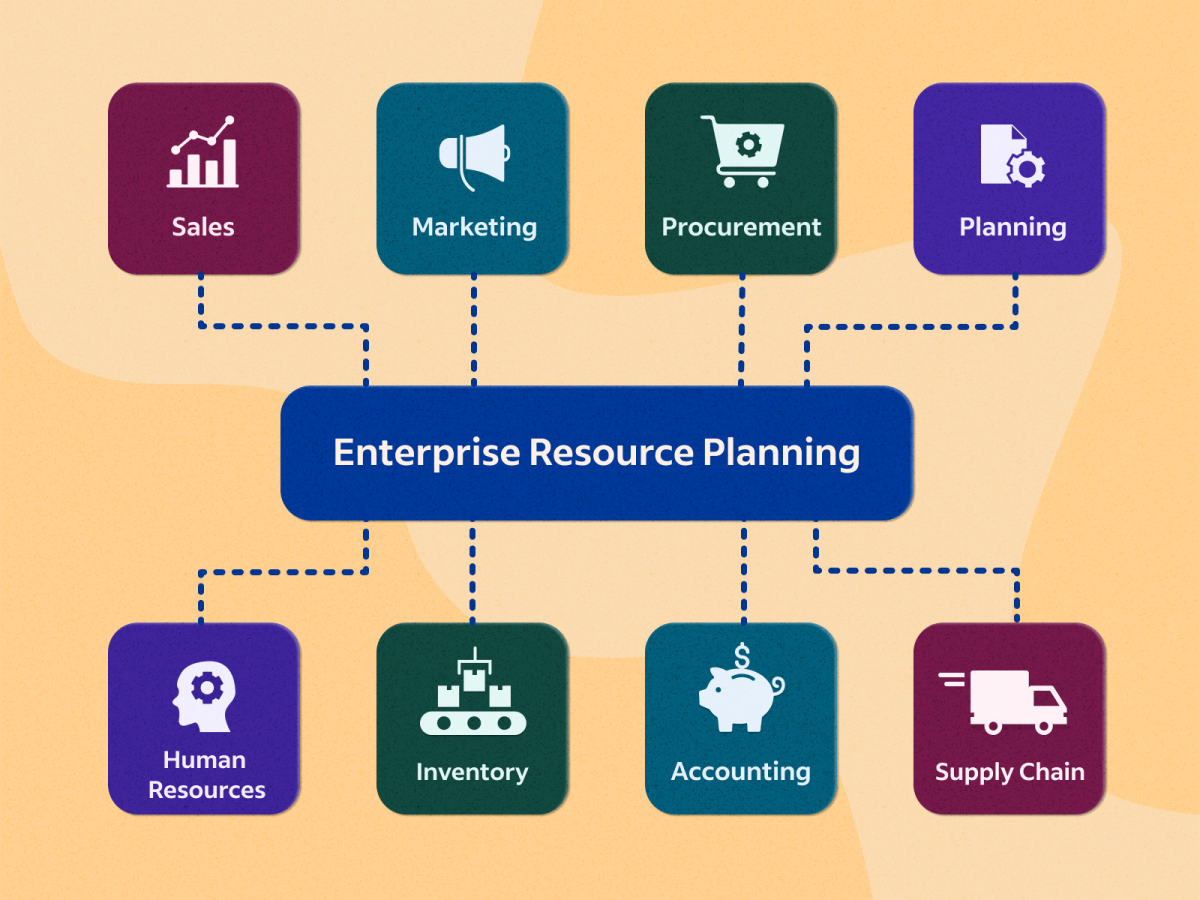
The transition to an Enterprise Resource Planning (ERP) system is the greatest technological and cultural transformation in a company's life. It is not merely the purchase of new software, but the restructuring of foundations to manage all business departments (sales, warehouse, finance, HR) from a single center. However, official reports from international analytical firms (e.g., Gartner and Deloitte) show that approximately 70% of ERP implementations fail to fully reach their original goals or significantly exceed their budgets. In this blog post, based on official methodologies and Odoo ERP implementation experience, we will explore 5 critical points every entrepreneur should know before implementing an ERP.
Introduction: Why Do ERP Projects Fail?
According to Gartner’s forecasts for 2026, a large portion of ERP initiatives carried out until 2027 will fail due to gaps in the planning phase. An ERP is not a "magic wand"; it acts as an engine that accelerates business only if properly prepared. Many entrepreneurs focus on the price and functionality of the software but overlook the business processes and the human factor behind the system. For a successful transition, it is essential to deeply understand the following 5 steps.
1. Clear Goals and Requirements Gathering The first thing you need to know before ERP implementation is: What do you want to solve? Many companies start an ERP project for general reasons like "our competitors are using it" or "we need to modernize." However, without clear goals (KPIs - Key Performance Indicators), it is impossible to measure the project's success.
Official implementation guides (e.g., Deloitte's "ERP Value" report) recommend that before starting the project, you should map your current business processes (As-Is) and the model you want to see in the future (To-Be).
-
Reduce warehouse losses by 20%?
-
Shorten order fulfillment time by 2 days?
-
Obtain financial reports instantly?
The more concrete the goals, the easier it will be to select and configure the software. Odoo's modular structure is a major advantage here; instead of implementing all modules at once, you can start with the most "painful" areas (e.g., only CRM or only Warehouse).
2. Data Cleaning: "Garbage In, Garbage Out" (GIGO) There is a famous saying in the ERP world: "Garbage In, Garbage Out" (GIGO). If you migrate incorrect, duplicate, and obsolete data from your old system (or Excel spreadsheets) into the new ERP, even the most expensive system will give you incorrect reports.
Data Migration is the most time-consuming and critical part of the implementation process. As an entrepreneur, you should know that:
-
Duplicate records in your customer base must be cleaned.
-
Old and no longer sold items in your product catalogs must be removed from the system.
-
Warehouse balances and accounts receivable/payable (opening balances) must be finalized.
Official Odoo Implementation Methodology recommends starting data migration in the earliest stages of the project. Clean data increases employees' trust in the program from day one.
3. ERP is a Cultural Change, Not Just Technology (Change Management) The biggest reason for ERP project failure is often not the software itself, but the resistance employees show toward the new system. People do not like changing the workflows they have been used to for years. Phrases like "It was easier in Excel" or "This program makes our work harder" are heard during every implementation.
Change Management officially requires:
-
Top Management Support: If management does not use or believe in the program, employees won't either.
-
Internal "Champions" (Key Users): A "key user" who learns the system deeply and supports other employees should be selected from each department.
-
Effective Training Programs: Employees should be explained not just "which button to press," but what benefits the program brings to the business.
Remember, ERP increases transparency in the company. This transparency can cause discomfort for some employees. Therefore, implementing the system is also a transformation of the internal corporate culture.
4. Standard Functionality vs. Customization Many entrepreneurs demand radical changes (customization) in the program to adapt the ERP to their existing (and sometimes inefficient) work processes. However, official ERP experts (e.g., Gartner's "Best Practices" reports) warn: Excessive customization can be a project killer.
Why should standard functionality be preferred?
-
Cost and Time: Every customization means additional programming hours, extra cost, and project delays.
-
Future Updates: When a new version of the software is released, custom-written codes can prevent the system from being updated.
-
Business Improvement: ERP systems (especially Odoo) are built on the Best Practices of millions of companies worldwide. Perhaps adapting your processes to the program will make your business more efficient?
Odoo's philosophy is the "Standard first" approach. Customization should only be sought when standard functions do not meet 80-90% of the business needs.
5. Choosing the Right Partner and the Role of the Internal Team You cannot simply buy and install an ERP like a "box." Its success depends on both your internal team and the external partner implementing it.
-
External Partner (Implementer): You should choose a partner who not only knows the software but also understands your business field. They should act not just as technical support, but as a business consultant.
-
Internal Team: ERP implementation is a business project, not an IT department project. Heads of key departments such as finance, sales, and warehouse must be involved in the team.
According to official Gartner data, 25% of implementation failures are related to the wrong choice of partner or the internal team not dedicating enough time to the project. You must be prepared for your key employees to devote at least 20-30% of their time to this project during ERP implementation.
Preparation Phase for Odoo in the Azerbaijan Market
For Azerbaijani entrepreneurs, one of the most important preparations before ERP implementation is checking compliance with local legislation and the tax system. Thanks to Odoo's open architecture, local partners have created specific localization packages for Azerbaijan.
During the preparation phase, you should consider the following:
-
E-invoice Integration: Setting up the necessary technical infrastructure for your sales and purchase invoices to be automatically transmitted to the state tax service system.
-
API Connection with Local Banks: Signing necessary agreements with banks for automatic uploading of bank statements to Odoo.
-
National Currency and Exchange Rate Updates: Planning necessary configurations for the official exchange rates of the Central Bank of Azerbaijan (CBAR) to be automatically uploaded to the system every day.
Such localization preparations turn Odoo from just a global software into a full-fledged business management system that meets all the requirements of the Azerbaijan market.
Conclusion: Are You Ready for ERP?
ERP implementation is the most powerful tool to take your business to the next level, but it requires serious preparation. To succeed in the digital world of 2026:
-
Clarify your goals.
-
Clean your data.
-
Prioritize the human factor and training.
-
Make maximum use of standard functions.
-
Set out with a professional team.
Odoo ERP is designed to make this complex path easier and more efficient with its modular and user-friendly structure. If you deeply understand these 5 critical points and are prepared, ERP implementation will not be a "cost" for your business, but the greatest "investment" of the coming decades.